

Contents
In business structures with limited personnel, boundaries between departments are often unclear. A designer might speak directly with clients without involving the project manager, or the marketing team might promise new features to customers before developers approve their feasibility. This situation is not merely a matter of discipline, but a consequence of communication speed outpacing manual documentation capacity.
When decisions are made verbally in cross-functional meetings, the greatest risk is the loss of context. What is agreed upon today can be interpreted differently next week. Without an objective reference, each party tends to remember the version of the narrative that most benefits their position. As a result, friction occurs between departments, draining energy and slowing execution.
Building a culture of transparency does not mean demanding everyone record every second of conversation. The solution lies in creating easily accessible collective memory. By transforming audio recordings into searchable archives, organizations can ensure that facts remain separate from subjective interpretation, so post-meeting discussions focus on solutions rather than debates over what was actually said.
The Vulnerability of Human Memory in Cross-Functional Discussions
The human brain is designed to store core meaning, not exact words. After an intense meeting ends, participants usually remember the dominant feeling or general conclusion, while specific details such as the order of arguments, linguistic nuances, or technical exceptions are often lost or distorted by confirmation bias.
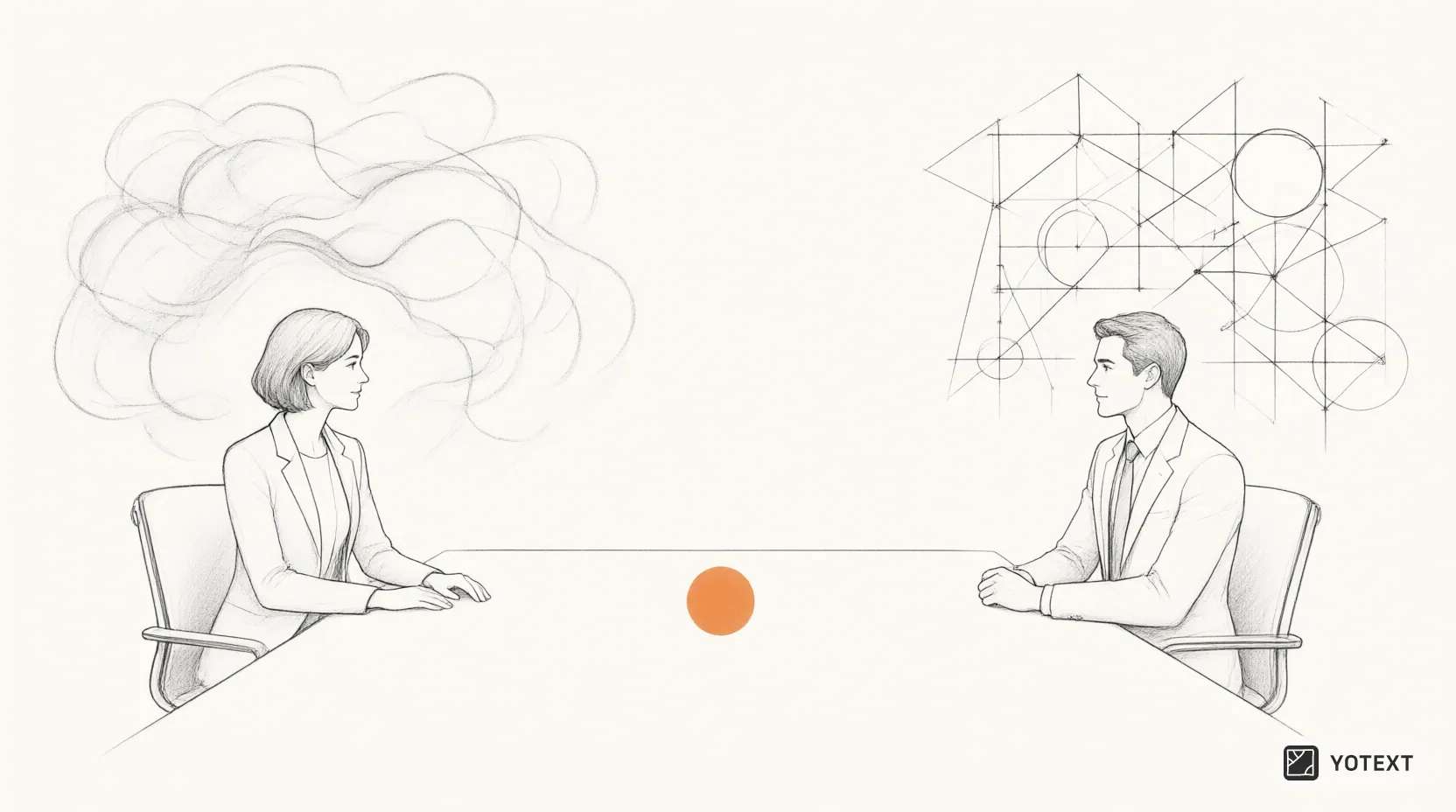
This problem becomes more complex when multiple departments are involved. The finance team may focus on cost implications, while the product team focuses on user experience. Both attend the same meeting, yet their memories of the final decision can differ significantly due to their respective attention filters. When questions later arise about why a feature was cut or a budget was reallocated, both teams will refer to their own conflicting memories.
Without neutral written evidence, clarification efforts turn into renegotiations of basic facts. Time that should have been used for implementation is exhausted proving who is right. In the long run, this pattern creates systemic distrust, where team members feel the need to protect themselves with formal emails for every minor interaction, thereby hindering agile collaboration.
From Raw Recordings to Accountable Context
Traditional approaches to meeting minutes rely on one person taking notes. This method has significant structural weaknesses. The note-taker must filter information in real-time, which means important context is often missed. Additionally, these notes are subjective from the start. They reflect the writer's understanding and priorities at that moment, not the objective truth of the entire conversation.
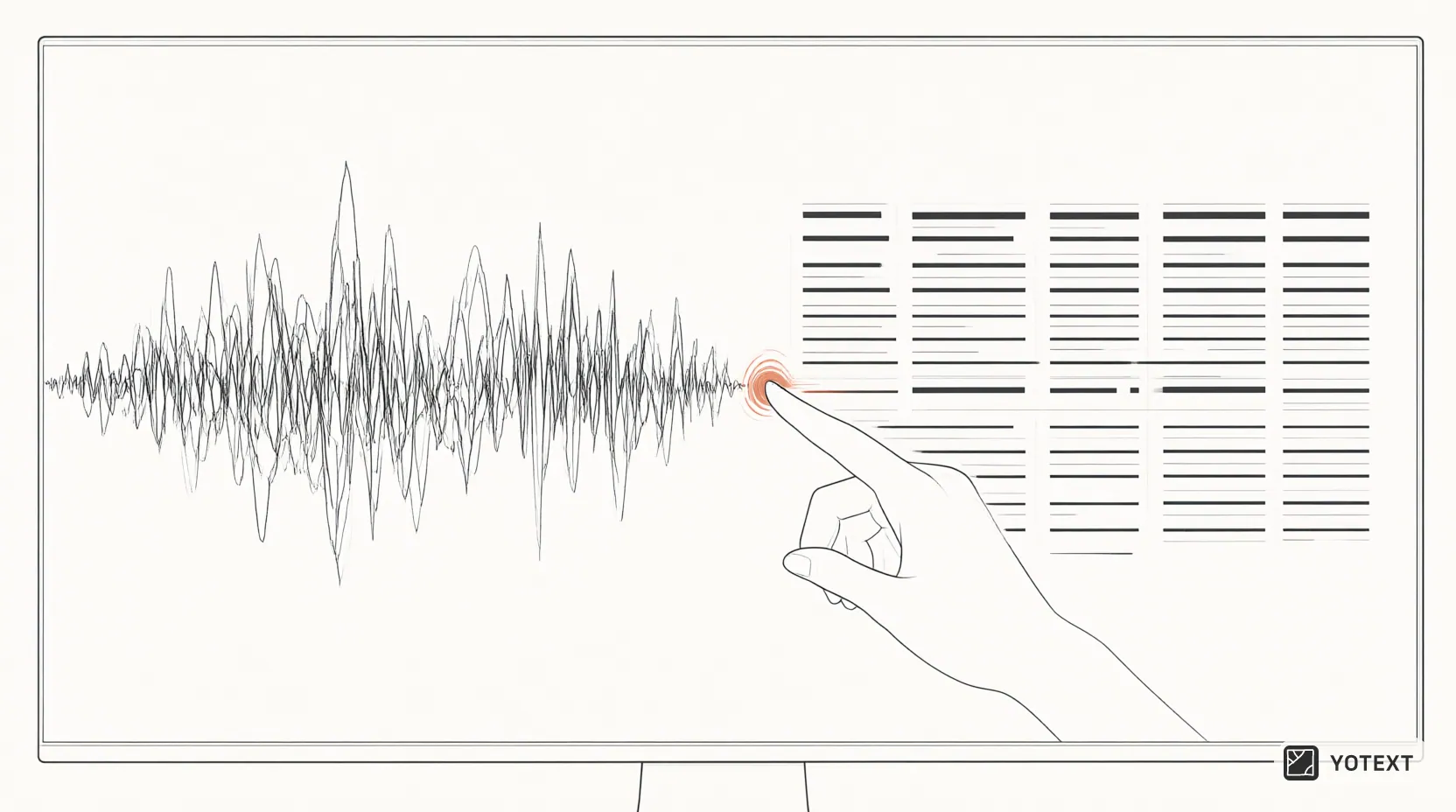
Modern solutions lie in separating recording from filtering. By automatically recording meeting audio via a browser extension, we obtain complete raw data. However, the main value is not in the audio file itself, but in its transformation into structured text. Live transcripts allow participants to see what is being discussed in real-time, reducing ambiguity during the session.
After the meeting concludes, the system generates summaries, lists of decisions, and action items along with their owners. This process transforms ephemeral speech into permanent knowledge assets. Crucially, there is the ability to search back through conversation content based on keywords. If there is a dispute regarding whether a deadline was agreed upon, the team does not need to guess. They simply search for related phrases in the archive and find the exact quote.
Recording Mechanisms That Do Not Disrupt Workflow
One psychological barrier to adopting meeting technology is the fear of excessive surveillance or technical disruption. Therefore, recording mechanisms must be designed so they do not feel invasive. Using an extension in the user's own computer browser offers the right balance between engagement and privacy.
The process begins with user initiative. The extension records audio from the meeting tab and microphone from the browser itself. No bots join as virtual participants, so social dynamics in the meeting remain natural. Users have full control to determine when recording starts and stops. This is important for maintaining trust. If someone feels secretly recorded, transparency is replaced by paranoia.
During the meeting, the extension panel displays live transcripts. This feature functions as a real-time mirror. If there is ambiguous speech or a misunderstanding, participants can immediately correct it or ask for clarification on the spot. Links to live transcripts can also be shared with absent colleagues, ensuring information is distributed evenly without waiting for official minutes to be sent afterwards.
Identity Accuracy and Handling Ambiguity
In cross-divisional meetings, identifying who is speaking is just as important as knowing what was said. Misattribution can trigger unnecessary interpersonal conflicts. The intelligent recording system extracts speaker names from captions and meeting participant data when available.
However, technology is not always perfect at recognizing voices, especially if audio quality is poor or many people speak simultaneously. This is where the principle of data honesty applies. If identity is unclear, the system uses neutral labels rather than guessing. Guessing speaker names is a dangerous practice that can undermine archive credibility. It is better to have sections labeled as Speaker 3 than to falsely accuse a manager of giving instructions they never uttered.
For cases where multiple participants in the same meeting use the same device, each person's speech can be corrected using recordings from their own microphone. This adds a layer of accuracy, ensuring that the final transcript precisely reflects individual contributions. This accuracy becomes the foundation for accountability. When tasks are assigned, owners are clearly recorded and cannot be disputed.
Task Integration and Clear Audit Trails
Productive meetings must end with concrete actions. The challenge lies in linking strategic decisions to operational execution. After the meeting, the system generates action items along with owners and deadlines if mentioned in the conversation.
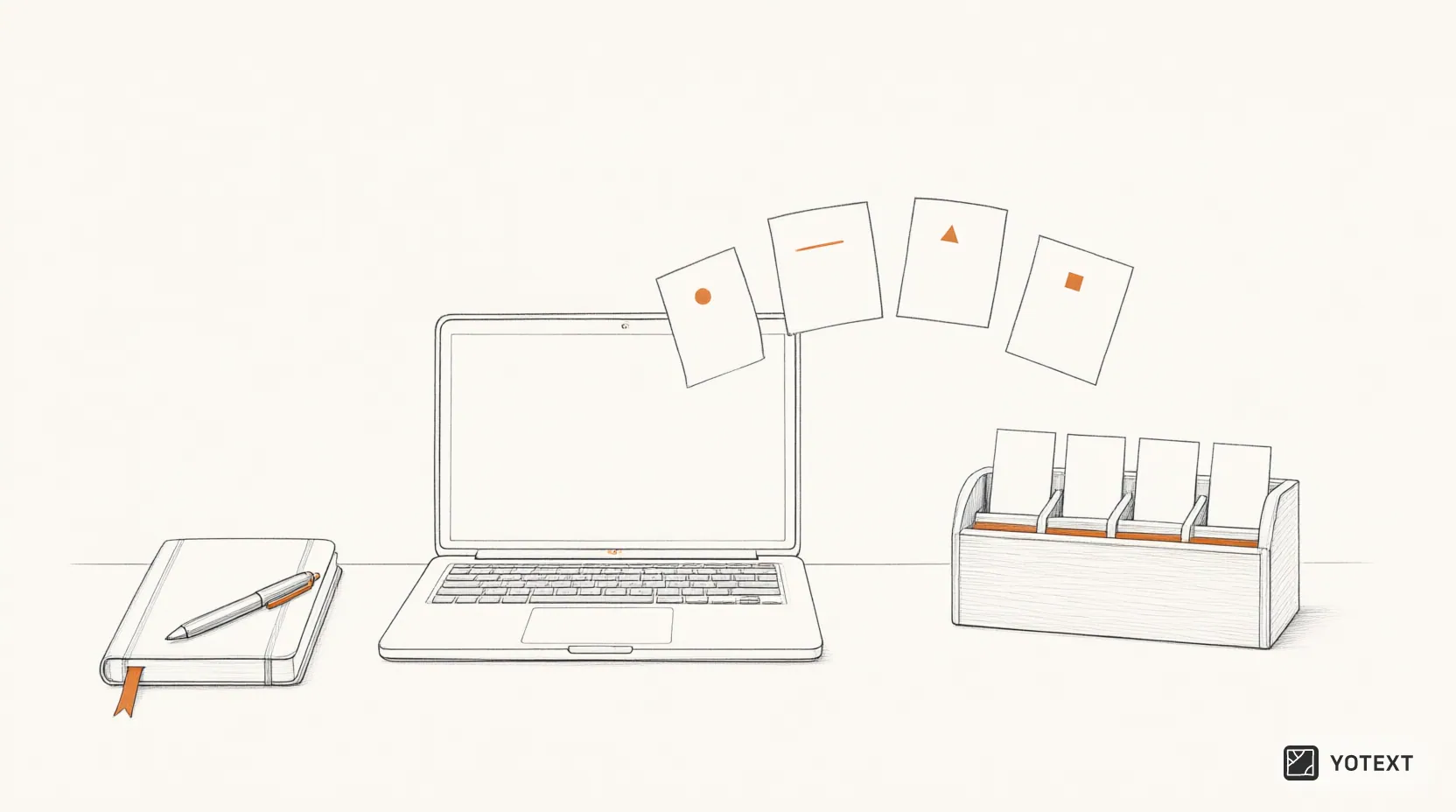
This information is not only stored in a single meeting document but flows into a centralized task list. Meeting histories are saved and searchable, while tasks from various meetings are gathered in one place. For a team leader, this means full visibility over workload across divisions without needing to manually check status with everyone.
The meeting memory search feature allows team members to inquire about the content of specific meetings. For example, a developer can look up again the reasons behind a feature delay or the technical context discussed last week. This capability transforms passive archives into active tools for daily decision-making.
Privacy Limitations and Data Security
Transparency must not compromise security. Recordings are kept safe even if the browser closes suddenly or the network disconnects, allowing them to be resent. This ensures data integrity even under less-than-ideal technical conditions. Private meeting results are visible only to their owner unless intentionally shared.
Users can share meeting results as complete outputs or summaries only via revocable links. These controls are vital for information management. An internal discussion on pricing strategy may need summarizing before being shared with the sales team, or access links can be revoked after a project concludes. This flexibility allows organizations to adjust confidentiality levels according to audience needs.
It should be acknowledged that this technology does not yet hold certain industry-standard certifications such as SOC 2 or ISO 27001. For companies with strict regulations, this becomes a primary consideration before broad adoption. However, for many small and medium-sized businesses, granular control over who can view and share data is sufficient to mitigate the risk of sensitive information leaks.
Practical Steps to Build an Archive Culture
Adopting these tools requires behavioral change, not merely software installation. The first step is establishing norms that cross-functional meetings must be documented. This does not mean every coffee chat needs to be recorded, but decisions impacting others' work must leave an audit trail.
Start with a pilot in one team that frequently experiences miscommunication. Use the Team or Business package which provides a shared workspace for meeting results, tasks, and transcription quotas. This workspace becomes the single source of truth. When new team members join, they no longer need to ask what the background of a decision is because they can find the answers themselves in the archive.
Evaluate success not by the number of recordings, but by the reduction in time spent clarifying conflicts. Is the team moving faster? Has problem escalation decreased? The application is available in Indonesian, English, and Mandarin, and meeting results can be accessed from both computers and mobile phones, facilitating access for hybrid or mobile teams.
Conclusion
A culture of decision transparency through easily searchable voice archives is not about surveilling employees, but about empowering them with context. When facts are objectively available, debate shifts from who is wrong to how we can improve.
By eliminating friction caused by misunderstandings between divisions, small organizations can operate with the speed typically possessed by large startups. A well-documented collective memory becomes a competitive asset resilient to personnel turnover. Ultimately, investment in this knowledge infrastructure pays dividends in stronger team cohesion and more precise execution.