
Contents
In the process of selecting or renewing contracts with vendors, the main focus is often on price figures, technical specifications, and deadlines. However, the success of an agreement is determined not only by what is written in documents but also by how conversations unfold in virtual or physical meeting rooms. Unequal power dynamics are often hidden beneath layers of verbal interaction, where one party dominates the conversation while the other tends to be passive or defensive.
For procurement professionals and project managers, the ability to read these signals is a crucial risk analysis tool. When a vendor speaks faster, takes longer turns, or rarely provides pauses, it may indicate strong bargaining power or a dominance strategy. Conversely, an inability to maintain the flow of speech could indicate a lack of preparation or dependence on the deal. This article outlines how speaking duration data and communication patterns can be used to objectively detect power imbalances.
The Relationship Between Speaking Time and Objective Outcomes
Research on conversation dynamics shows a direct correlation between how much someone speaks and the negotiation results achieved. Parties who spend more time speaking, talk at a faster tempo, and have fewer pauses tend to obtain higher objective gains. In the context of vendor negotiations, this means that vendor representatives who can maintain the flow of speech without many stops often succeed in steering the discussion toward points favorable to them.
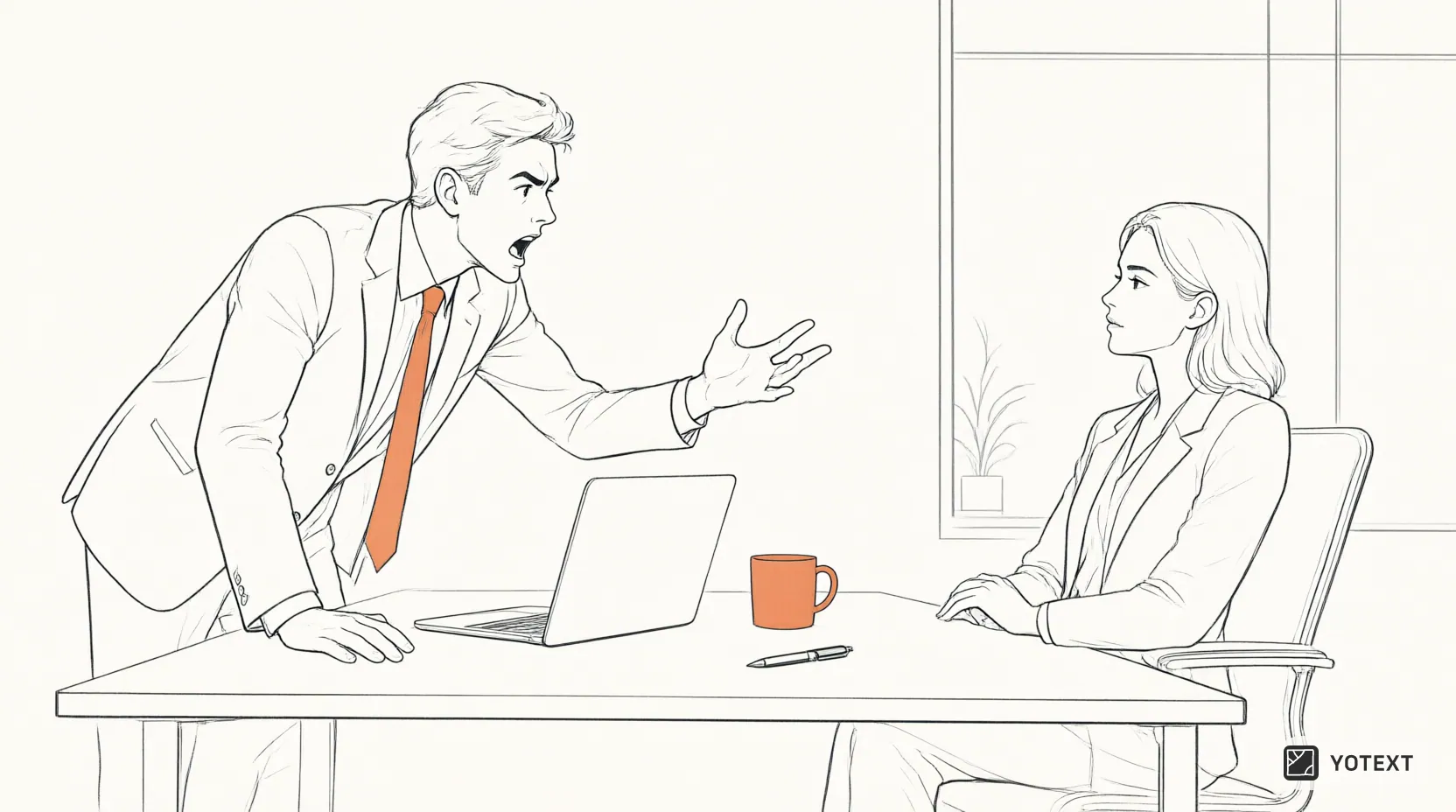
However, assertiveness through dominance of speaking time has a tolerance limit. If a negotiator is too aggressive in taking turns to speak, interrupting the counterpart, the impact is counterproductive to long-term relationships. Interruptions have proven to be the most damaging element for relational outcomes, even if they do not always provide significant objective benefits. Therefore, balancing assertiveness and respect for turn-taking is key to maintaining bargaining power without undermining trust.
Power Dynamics: Perception versus Reality
Power imbalances in negotiations are often perceptual. One party may feel they are in a weak position due to dependence on specific resources, such as access to information or alternative vendors. Factors like BATNA (Best Alternative to a Negotiated Agreement) determine who holds actual leverage. If a company has three ready-to-bid vendor candidates, its bargaining position is much stronger than if they have only a single option.
Speaking duration data can serve as a mirror of this power perception. Parties who feel they have greater leverage tend to speak more and control the discussion topics. Conversely, parties who feel pressured or lack alternatives may listen more, give short responses, or use softer language full of hesitation. Identifying these patterns allows internal teams to recognize when they are in a vulnerable position and need to strengthen their preparation before continuing the negotiation.
The Influence of Virtual Mediums on Communication Patterns
Modern negotiations are largely conducted via video conferencing platforms such as Zoom, Microsoft Teams, or Google Meet. This change in medium brings unique implications for power dynamics. In face-to-face meetings, body language and facial expressions play an important role in building rapport. In virtual spaces, these non-verbal nuances are drastically reduced, making vocal cues such as speaking speed, intonation, and pauses more prominent.

Additionally, technical glitches and network latency can disrupt natural timing in conversations. This often triggers unintentional interruptions, which can be misinterpreted as dominant or rude behavior. Understanding that some interruptions may be caused by technical factors rather than negotiation strategies is an important step in analyzing conversation data. Without this context, interpretations of power imbalances can become biased and misleading.
Detecting Risk Signals Through Conversation Metrics
To systematically detect power imbalances, negotiation teams need to monitor specific metrics during sessions. These metrics include total speaking time per participant, average turn length, interruption frequency, and pause duration between sentences. Vendors who consistently speak longer and rarely give buyers the opportunity to ask questions may be trying to cover up weaknesses in their proposals with high volume of speech.
On the other hand, buyers who provide too many backchannels or brief affirming words like 'mmhmm' or 'okay' without asking substantive questions may indicate a lack of critical engagement or anxiety about challenging the vendor. Analyzing these patterns helps identify points where discussions become unbalanced, allowing teams to adjust communication strategies in real-time or post-negotiation.
The Role of Meeting Intelligence Technology in Objectivity
Relying on collective memory or manual notes to analyze power dynamics is often subjective and prone to bias. Meeting intelligence technology emerges as a solution to transform meeting recordings into analyzable data. YOTEXT records tab audio and user microphone directly from the computer browser via Chrome or Edge extensions for Google Meet, web version of Zoom, and web version of Microsoft Teams. No bots join the meeting as participants, ensuring privacy remains under user control.
Live transcription features allow teams to review critical parts of negotiations without having to manually remember details. Speaker names are taken from captions and participant data if available. If identities are unclear, YOTEXT uses neutral labels rather than guessing, to ensure attribution accuracy. This creates an objective database for evaluating whether speech dominance occurred or healthy collaboration took place.
From Transcript to Action Item: Closing the Execution Gap
After the meeting ends, the next challenge is translating detected power dynamics into concrete actions. Many meetings end without clarity on who is responsible for follow-ups, especially if one party dominates the conversation but provides no written commitments. YOTEXT helps overcome this issue by generating complete transcripts, summaries, decisions, and action items along with owners and deadlines if mentioned in the conversation.
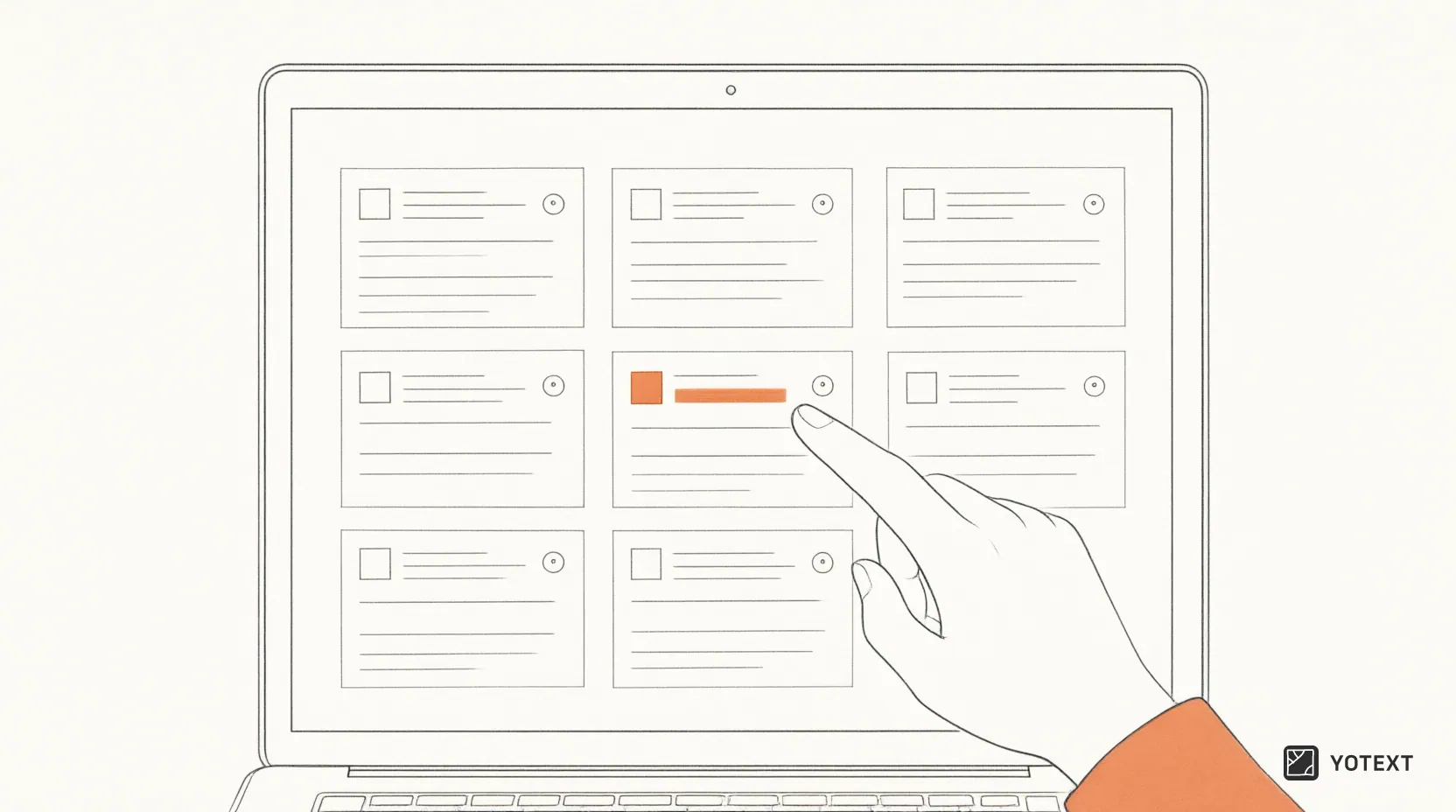
Users can ask about the content of specific meetings to dig into details that might have been missed during negotiations. For example, if a vendor appears to avoid questions about hidden costs, the team can search back through the transcript to see exactly how the vendor responded to those questions. Stored and searchable meeting history allows auditing the consistency of vendor claims across various negotiation sessions, strengthening bargaining positions based on recorded facts.
Practical Strategies to Counter Vendor Dominance
If data analysis shows that the vendor dominates speaking time and frequently interrupts, the buying team needs to implement balancing strategies. First, ensure the meeting agenda has been shared beforehand so all parties have time to prepare critical questions. Second, use the 'ask before you tell' technique by asking the vendor to explain their points first before stating your position, allowing you to gather maximum information without getting trapped in their narrative.
Third, utilize the meeting results sharing feature. YOTEXT enables sharing full results or summaries only via revocable links. Sharing accurate notes immediately after the meeting can prevent vendors from changing the narrative or claiming different agreements than what actually occurred. This transparency limits room for maneuver by parties trying to exploit memory ambiguity for their advantage.
Team Collaboration and Data Consistency
In complex negotiations involving many stakeholders, data consistency becomes vital. The Team and Business packages on YOTEXT provide a single shared workspace for meeting results, tasks, and transcription quotas. This feature ensures that all procurement team members see the same version of the truth regarding what was discussed and agreed upon, reducing the risk of internal miscommunication often exploited by external parties.
Additionally, if several of the same meeting participants use YOTEXT, each person's speech can be corrected using recordings from their own microphone. This mechanism significantly improves transcription accuracy, especially when audio quality from one device is suboptimal. With cleaner and verified data, analysis of speech patterns and interruptions becomes more reliable as a basis for evaluating negotiation performance.
Data Security and Recording Continuity
Concerns about data security often hinder the adoption of meeting recording technology. YOTEXT is designed with mechanisms that keep recordings safe if the browser closes suddenly or the network disconnects, then allows them to be resent. This guarantees that no part of strategic conversations is lost due to technical disruptions, ensuring power dynamic analysis remains comprehensive.
Recordings are kept safe if the browser closes suddenly or the network disconnects, then can be resent. Users themselves determine when recording starts and stops, providing full control over privacy during the session. This approach ensures that sensitive data related to negotiations is accessed only by authorized parties and in accordance with company internal protocols.
Accessibility and Multilingual Support
Global negotiations often involve participants from diverse linguistic backgrounds. The YOTEXT application is available in Indonesian, English, and Mandarin, making it easy for local and international users to operate this tooling without language barriers. Meeting results can be opened from computers or mobile phones, while recording via extension is done on computers, providing flexibility in post-meeting reviews.
The ability to access transcripts and summaries from mobile devices allows project managers to review critical points or action item status while out of the office. This accessibility supports faster responses to changes in negotiation situations, ensuring that teams remain connected to the latest data even when not in front of a computer screen.
Conclusion
Detecting power imbalances in vendor negotiations requires shifting focus from merely the content of arguments to their delivery format. Speaking duration data, interruption patterns, and turn-taking management offer objective insights into who controls the conversation and who may be disadvantaged. By leveraging meeting intelligence technology capable of accurately recording, transcribing, and analyzing these interactions, procurement teams can make more informed decisions.
Ultimately, the goal of this analysis is not to manipulate the other party, but to ensure that the agreement reached reflects fair value and clear commitments. When every word is recorded and every task is identified with its owner, the gap between perception and reality in negotiations can be narrowed, resulting in more transparent and sustainable vendor relationships.
Sources
https://dobetter.esade.edu/en/conversation-dynamics-negotiation