
Contents
In the dynamics of modern business, especially within small team structures, tension often arises between the need for managerial control and team members' desire to work autonomously. Managers feel the need to monitor every step to ensure results meet expectations, while employees feel hindered by repetitive questions or requests for detailed status reports. This phenomenon is known as micromanagement, a leadership style that, if left unchecked, can lower morale, stifle innovation, and create excessive dependence on a single individual.
The solution to this problem does not always lie in changing managers' personalities or retraining employees, but rather in improving information infrastructure. When key facts from work discussions are accurately recorded and easily accessible, the need for supervision decreases drastically. Accountability shifts from merely answering bosses' questions to being responsible toward objective shared records. This is where transcription and meeting summary technology plays a crucial role in building a healthy work culture.
Root Causes of Micromanagement in Small Teams
Trust levels in small teams are highly vulnerable to information uncertainty. In large organizations, formal processes often enforce strict written reporting. However, in small teams, communication tends to be more fluid and informal. Decisions are made through brief conversations, instant messages, or quick video meetings. Problems arise when collective memory of what was agreed upon begins to fade or interpretations differ among participants.
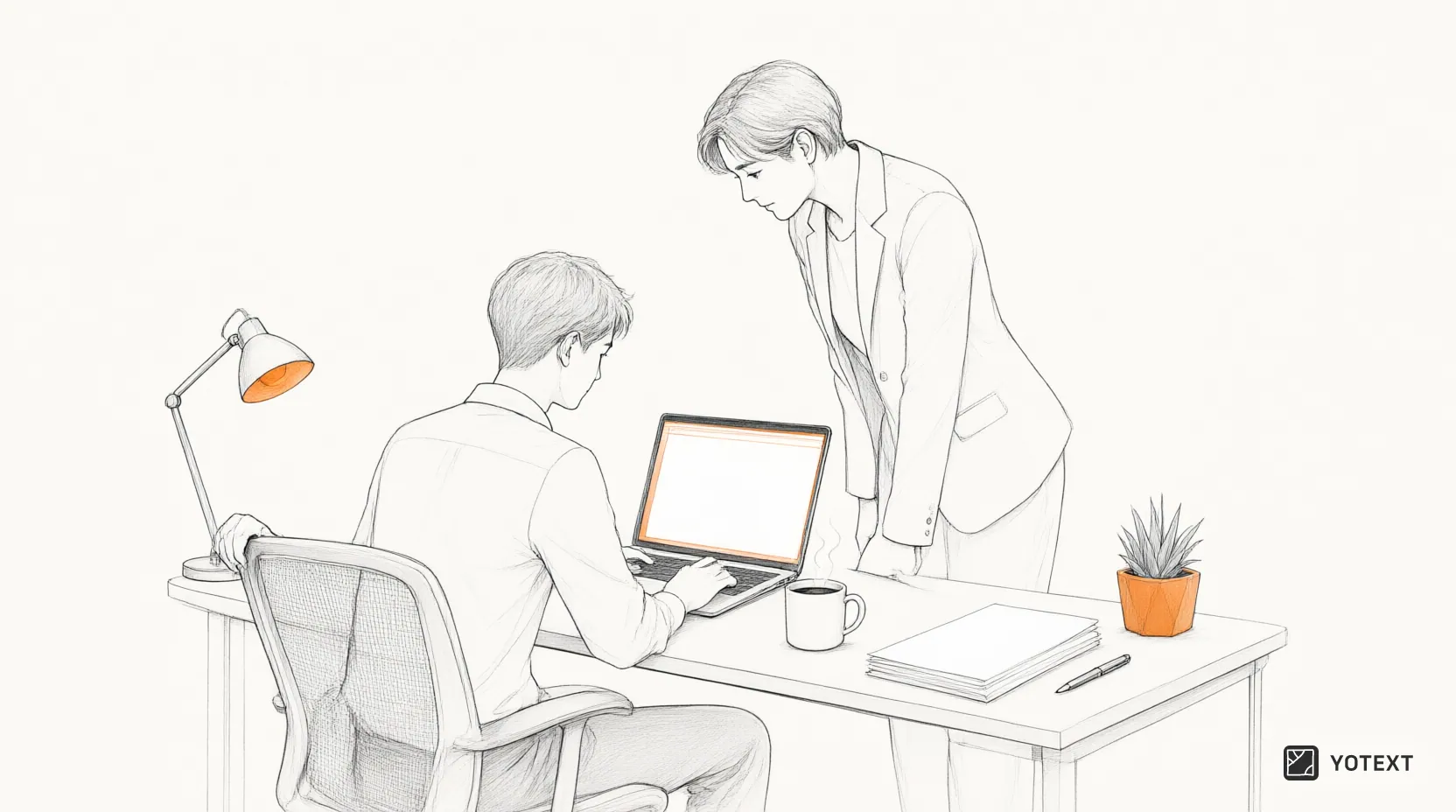
This situation triggers managers to perform re-verification. They ask team members again about task status, decision details, or the reasons behind certain actions. For team members, these questions feel like checks questioning their competence. Although the manager's intention may simply be to align understanding, the inability to precisely recall or track conversation history is the main trigger for unintentional micromanagement behavior.
Documentation as a Bridge of Trust
Good documentation serves as a single source of truth. When every decision, action item, and discussion context is neatly stored, team members have tools to prove they understood instructions and executed tasks according to agreements. This reduces room for ambiguity. Managers no longer need to chase confirmations because evidence of execution is already available digitally and structured.
Shifting the paradigm from reporting to superiors to updating shared records changes power dynamics. Accountability becomes more horizontal. Everyone is responsible for their part in those records, not just to the boss but also to teammates who depend on their output. This fosters a higher sense of ownership over work results.
Meeting Transcription Mechanisms Without Social Disruption
Many conventional meeting recording tools use bots that join virtual sessions as additional participants. The presence of these non-human entities often creates awkwardness or even resistance from meeting attendees. People might hold back from speaking honestly or sharing creative ideas because they feel watched by a foreign third party in the virtual room.
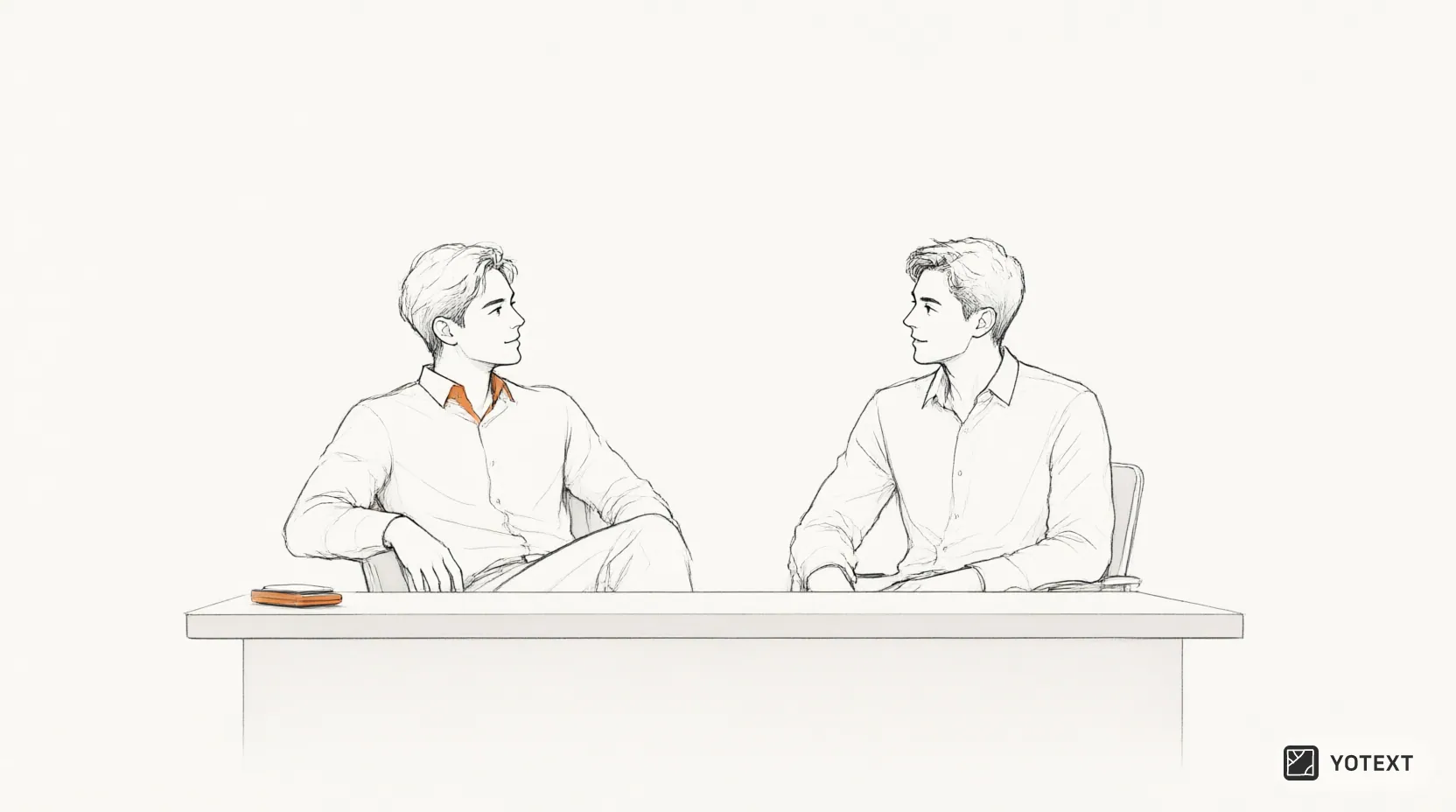
A subtler approach involves recording directly from the user side. By using a browser extension on a computer, audio from the meeting tab is recorded without any bot joining the session. Users have full control to start and stop recordings. This method preserves privacy and psychological comfort for participants so discussions flow naturally. The result is a more accurate transcript reflecting actual conversations, not ones stifled by the presence of a digital overseer.
From Recordings to Managed Action Items
Those who believe in micromanagement often do so out of fear that something will be missed. Current technology can address this fear by converting raw recordings into structured data. After a meeting ends, the system can generate summaries, lists of decisions, and identification of action items along with task owners and deadlines if mentioned in the conversation.
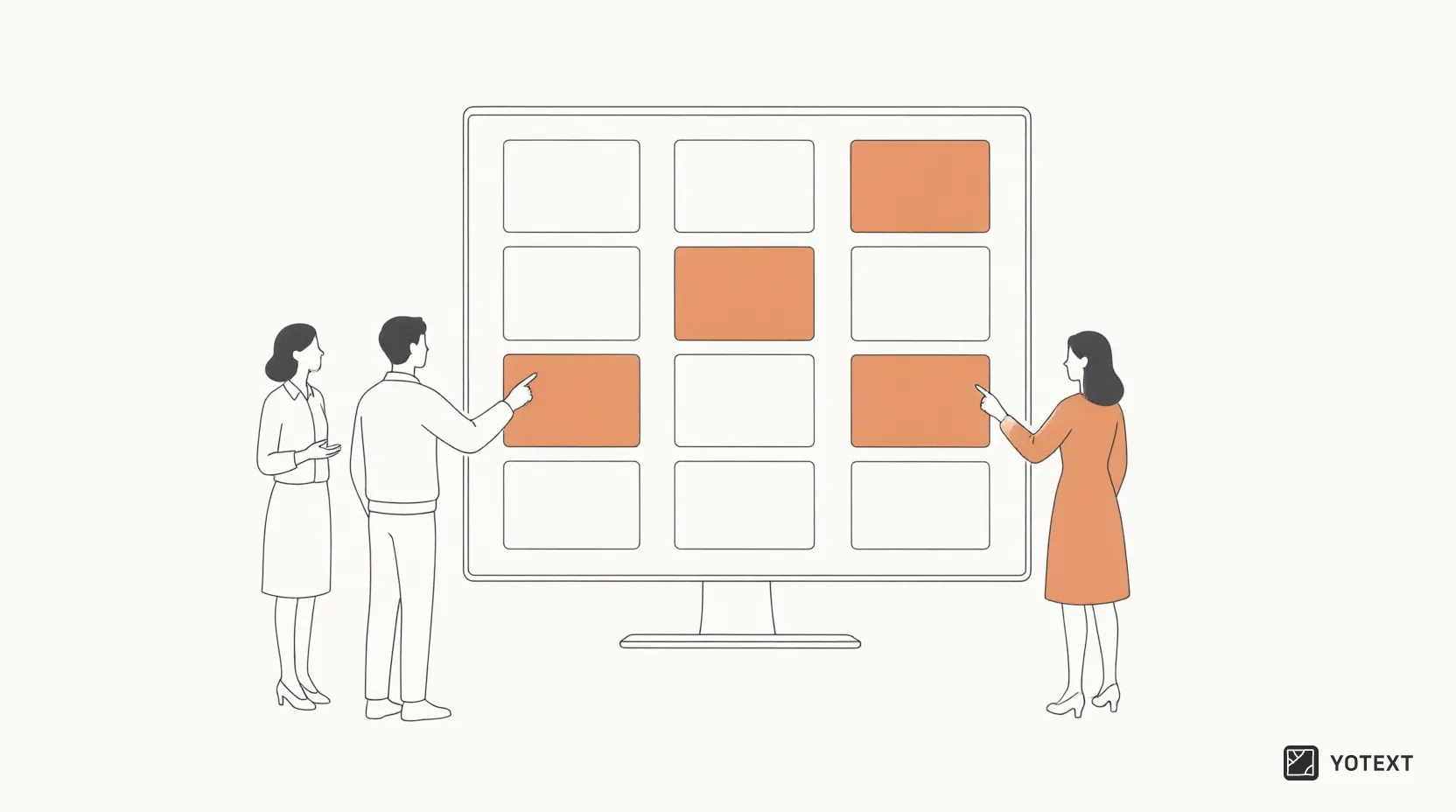
This function eliminates tedious manual work for meeting secretaries or project managers. Instead of spending time retyping key points, teams can focus on execution. Task lists gathered from various meetings can be displayed in one dashboard, providing a clear overview of who is doing what and when deadlines fall. This transparency makes micro-interventions unnecessary because work status is visible in real-time through updated records.
Overcoming Speaker Identification Barriers
In virtual meetings, one of the biggest challenges in documentation is knowing who said what. If speaker identities are unclear, accountability becomes blurred. Smart systems retrieve speaker names from captions or available meeting participant data. When identity is uncertain, the system uses neutral labels instead of guessing, thereby maintaining data integrity.
Correction features based on personal recordings also help improve accuracy. If several participants use the same software, each person's speech can be corrected based on the audio quality from their own microphone. This ensures that the final transcript accurately represents each individual's contribution. Clarity in attribution is important to avoid misunderstandings about who is responsible for a specific decision or task.
Privacy and Data Control in Collaboration
Accountability should not come at the cost of privacy violations. In small teams, the boundary between professional and personal matters can be thin. Therefore, mechanisms for sharing meeting results must be flexible. Users can choose to share full results or only summaries via links that can be revoked at any time. Private meetings remain visible only to their owner unless intentionally shared.
Data security is also a priority. Recordings are kept safe even during technical disruptions such as sudden browser closures or network disconnections, thanks to automatic resend capabilities. These security aspects build trust that sensitive company information is protected, so team members feel comfortable recording everything without fear of leaks to unauthorized parties.
Practical Implementation for Team Leaders
Changing work culture requires consistency. Team leaders are advised to start by setting ground rules: all important meetings must be documented using transcription tools. Begin with routine internal meetings first before applying this to client meetings or external parties. Use the meeting memory search feature to rediscover relevant old decisions so no time is wasted trying to remember or searching through old emails.
Evaluate the impact of this practice after a few weeks. Observe whether the frequency of status questions from managers decreases and whether team members become more proactive in updating task notes. Subscription packages like Team or Business provide a shared workspace for meeting results and tasks, facilitating cross-functional collaboration. Ensure all team members understand how to access and use these features so adoption runs smoothly.
Conclusion
Micromanagement is often a symptom of lack of visibility into work processes, rather than merely a bad trait of a leader. By providing automatic, accurate, and easily searchable meeting documentation, small teams can build a strong foundation of accountability without sacrificing individual autonomy. Technology like YOTEXT offers solutions that respect privacy and social comfort, turning voice recordings into knowledge assets that support better decision-making.
Ultimately, the goal of team management is not to control every move of its members but to create an environment where everyone knows what is expected and has the tools to meet those expectations. When work facts are clearly recorded, trust grows, and energy previously spent on supervision can be redirected toward innovation and business growth.